
Earth atmosphere emulators could enable faster and more accurate weather predictions

If you partitioned the entire Earth, from just below the surface to the top of the atmosphere, into 1-kilometer-square chunks, there would be billions of them. Now run each of those cells through a series of complex physics equations, and you can see how…
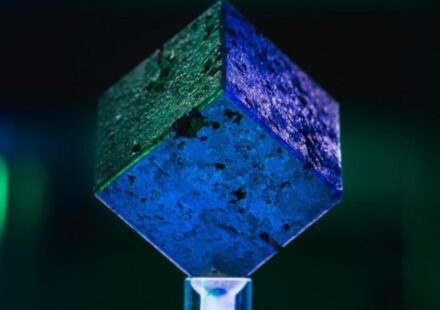
Uranium cubes reveal why the German nuclear project failed

During World War II, physicists on the Manhattan Project worried that the Nazi German nuclear program might achieve the first nuclear bomb before the US and its allies. That’s not what transpired, but historians have debated just how close the…

Why do flamingos dance while they eat? This scientist found out

Beautiful ripples drew Víctor Ortega Jiménez to feeding flamingos. Unraveling their secret could inspire new ways to filter water.Go to story
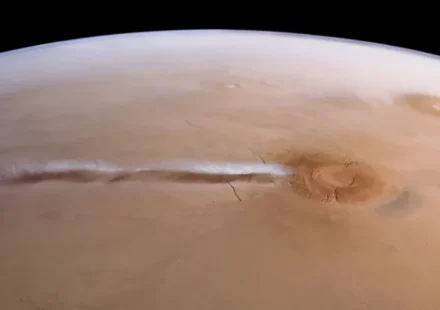
A striking Mars cloud may be born from surprising physics
Everyday Earth clouds get their start with a bit of salt or dust. Not so the Red Planet’s Arsia Mons Elongated Cloud, computer models suggest.Go to story



Dueling proofs from OpenAI and Anthropic astound scientists

The results resolve major problems in math, physics and computer science. But like other recent AI-generated “slop drops,” the releases are already controversial Go to Story