

Little Ice Age cooling in Europe may have raised the risk of rickets

The Industrial Revolution and climate change may have both contributed to vitamin D deficiencies in 18th and 19th century Europe.Go to story
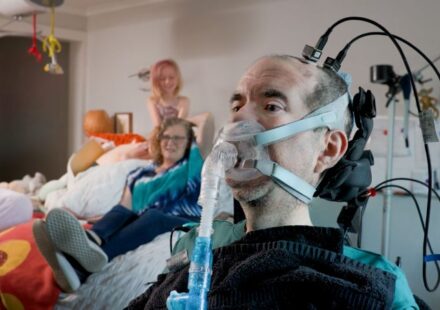
How brain implants turn thoughts into speech
New brain-computer interfaces turn attempted speech into words and can speak them in a voice resembling the user’s own.Go to story
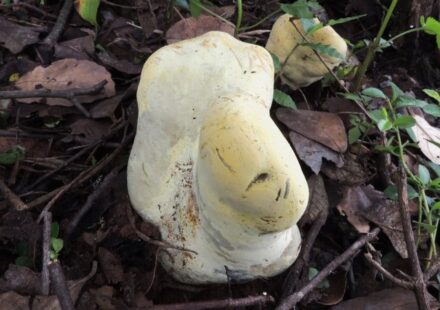
After the dinosaurs died, the massive ‘D. rex’ fungus ruled the woods
Farmers in Yunnan Province, China, alerted researchers to the humongous fungus. Dianjunus rex‘s mushrooms stand at half a meter tall.Go to story

Roller coaster safety is a matter of science
Guidelines for designing coasters don’t reflect the latest science about what types of movement the brain can withstand.Go to story
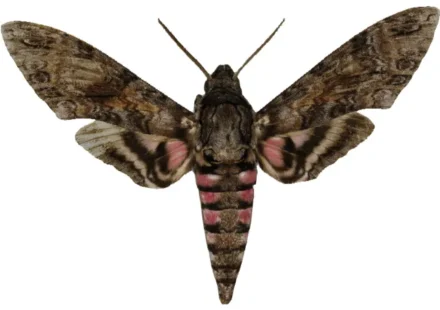
How hawkmoths turned their genitals into bat-busting weapons
In arms race with bats, hawkmoths have evolved three distinct ways to make bat-busting ultrasound using their genitalia.Go to story

Seabirds get jet lag, too – and it can throw them a bit off course
GPS tracking reveals fast east-west flights lead to a mismatch between birds’ internal time and the sun’s position, skewing their sense of direction.Go to story
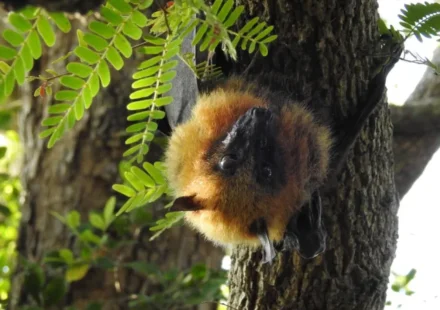
Some of the world’s biggest bats are getting smaller
Madagascan flying foxes aren’t as mighty as they were 150 years ago. The big bats have shrunk, possibly due to selective hunting or other human impacts.Go to story

Three-quarters of NFL football players may end up with CTE
The first estimate of CTE prevalence across the NFL suggests 75 percent of players may suffer from the neurodegenerative disease.Go to story

‘Exhumed’ recounts the true story of America’s first vampire
Science, history and fear intersect in a new book from award-winning podcast creator Aaron Mahnke.Go to story

This Halloween, amateur astronomers may be in for a dwarf planet treat
The Vera Rubin Observatory is shedding new light on the faraway regions by Neptune and beyond, including possible solar system building blocks.Go to story