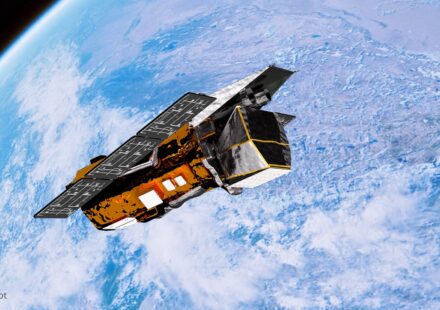
A NASA space telescope plunged back to Earth after a mission that lasted 11 times longer than planned

The Swift Observatory’s demise came less than three months after a long-shot rescue mission failed. Go to story
Ozone hole in 2026 is largest in a decade, but long-term recovery remains on track: Report

This year’s ozone hole over the Antarctic was the largest in a decade, according to a new report by NOAA and NASA. Go to story

NOAA, NASA release measurements of 2026 ozone hole

Atypical weather conditions caused the Antarctic ozone hole to grow to an unusually large size in 2026, NOAA and NASA scientists reported today, though they said the protective ozone layer is still on track to recover by later this century.Go to story
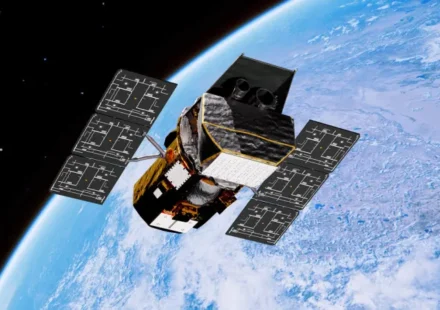
NASA’s Swift telescope will face a fiery demise after a failed rescue

Designed to study the powerful outbursts, the Swift Observatory quickly contributed to a wide range of discoveries. Now, it’s about to meet a fiery fate.Go to story
NASA’s Neil Gehrels Swift Observatory is careening back toward Earth | Here’s what to know
NASA’s Neil Gehrels Swift Observatory is expected to meet a fiery end early Wednesday, nearly 22 years after it launched to space Go to story
NASA’s Swift telescope plunges back to Earth

The observatory had spent decades studying powerful cosmic explosions and was the target of an unsuccessful rescue mission earlier this year Go to Story
NASA’s James Webb Space Telescope is wobbly-scientists have a fix that could reveal new alien worlds
By modeling the James Webb Space Telescope’s tiny movements, a new technique can reveal up to 15 times fainter alien worlds Go to Story

Giant planet emerges from two-year-old JWST data thanks to glare-removal technique
Even the world’s most powerful telescopes have their blind spots. Although NASA’s James Webb Space Telescope (JWST) can peer billions of years into the past, it still struggles to photograph planets orbiting nearby stars. Stars shine with…