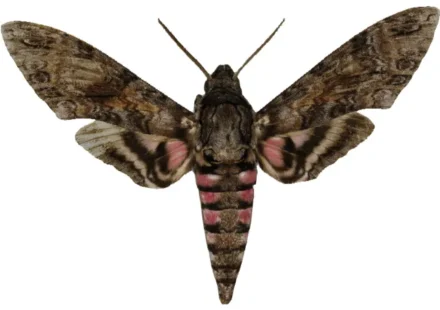
How hawkmoths turned their genitals into bat-busting weapons

In arms race with bats, hawkmoths have evolved three distinct ways to make bat-busting ultrasound using their genitalia.Go to story
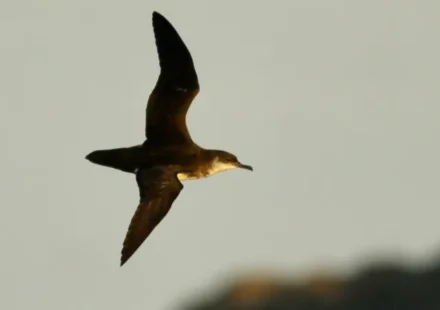
Seabirds get jet lag, too – and it can throw them a bit off course
GPS tracking reveals fast east-west flights lead to a mismatch between birds’ internal time and the sun’s position, skewing their sense of direction.Go to story
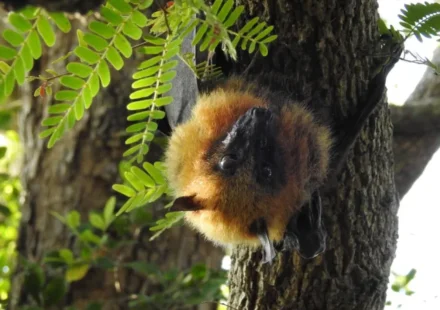
Some of the world’s biggest bats are getting smaller
Madagascan flying foxes aren’t as mighty as they were 150 years ago. The big bats have shrunk, possibly due to selective hunting or other human impacts.Go to story

Gold mining introduces an overlooked threat to wild caimans

Mercury pollution from artisanal gold mining in tropical regions is finding its way into wildlife. A team from the University of Vienna and the Veterinary University of Vienna shows that mercury exposure impairs the glucocorticoid response that helps…

EPA throws in the towel on policing air pollution from factory farms

The Environmental Protection Agency late last week announced it would end a 20-plus-year effort to develop methods to monitor air pollution from factory farms, effectively shuttering the agency’s stop-and-start attempts to regulate the potentially…

Fireworks provide a few minutes of joy, but the economic and environmental costs last much longer
Every Bonfire Night, people pay for a box of fireworks so their friends and family can enjoy the colorful display. Within a few minutes, it’s all over. But the price on the box doesn’t reflect the hidden costs: the smoke inhaled by neighbors,…


Study calls for a rethink on how we manage the threats posed by hazardous species
While human well-being depends on the health of our ecosystems, there are also countless aspects of the natural world that pose serious threats to people. Every year, over 700,000 people die from diseases transmitted by animals, snakebites kill up to…
Animal-borne Shamonda virus infects and kills a human for the first time

The potential for a wider outbreak is low, but experts are still investigating how the disease-causing virus leaped from animals to humans in the first place Go to Story