
- Researchers report on 3 huge ‘perturbations’ caused by Artemis II
- The rips in the ionosphere could affect GPS systems
- Further study is needed to assess the impact of the rocket launch
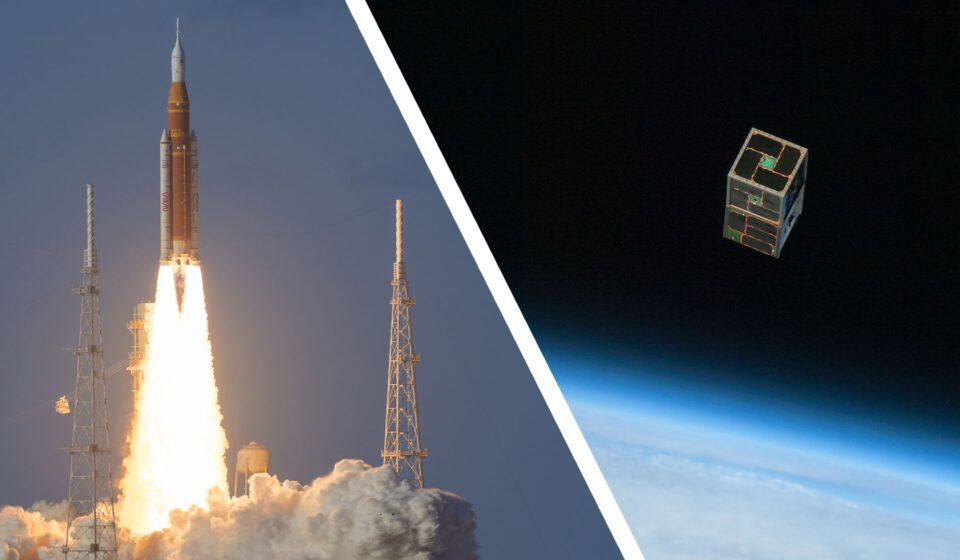
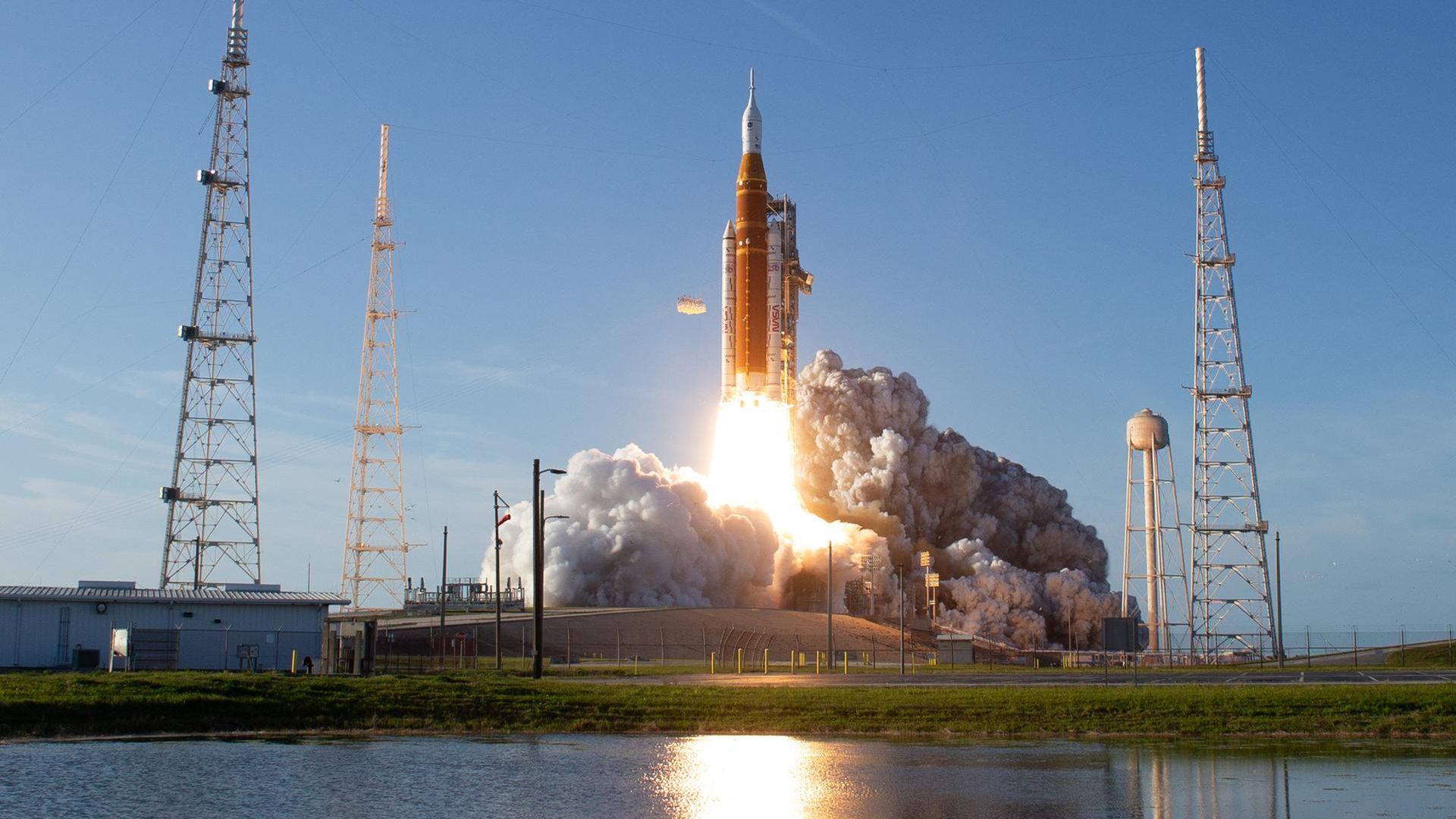
The April 2026 Artemis II mission marked the first time humans have been in lunar space since 1972, and scientists are still picking through the masses of data collected along the way. New research set to be published in Geophysical Research Letters has now revealed some unprecedented tears the rocket launch ripped in our upper atmosphere.
Known as the ionosphere, this layer is bombarded with solar radiation, causing it to be packed with free electrons and positively charged ions – a mix which means it has a strong influence on radio waves, such as signals sent by Global Navigation Satellite System (GNSS) satellites, including the Global Positioning System (GPS).
The study team found that Artemis II triggered three separate disturbances in the ionosphere, all directly above North America, and measuring more than 5,000 kilometers (3,106 miles) in size. These pulse waves were caused by the initial rocket launch, and then by upper-stage orbital engines firing directly in the upper atmosphere.
It’s a more powerful barrage of atmospheric disruption than we’ve seen from any previous rocket launch, including those launched by SpaceX, and it gives scientists important context on human-made ‘space weather’ – disturbances in the atmosphere that have the potential to interfere with ground infrastructure.
GPS disruption on the ground
While it’s worth noting that this study didn’t directly measure any disruption in GNSS or GPS systems – it’s something the team hopes to follow up on later – the sort of disturbances recorded here have the potential to cause significant, if temporary, shifts in our navigation systems.
“A positioning error of a couple of meters is enough to cause an autonomous car to change lanes,” study author and earth scientist Charles Lin, from National Cheng Kung University, in Taiwan, told Space.com. “It could have a strong impact not only on self-driving cars but also on drone positioning.”
“Though space launches often induce ionosphere disturbances, the Artemis-II Lunar mission for the first time produced extremely rare reoccurring perturbations over the same geographic region on three different occasions,” write the researchers, while also suggesting it “will be essential to assess” future impacts from rockets on the ionosphere.
The impact of the ionosphere disruptions on GPS and GNSS are what the researchers are planning to look at next, including to what degree errors might have been introduced, and how long they lasted for. The results are likely to be vital in planning future rocket launches and maneuvers.