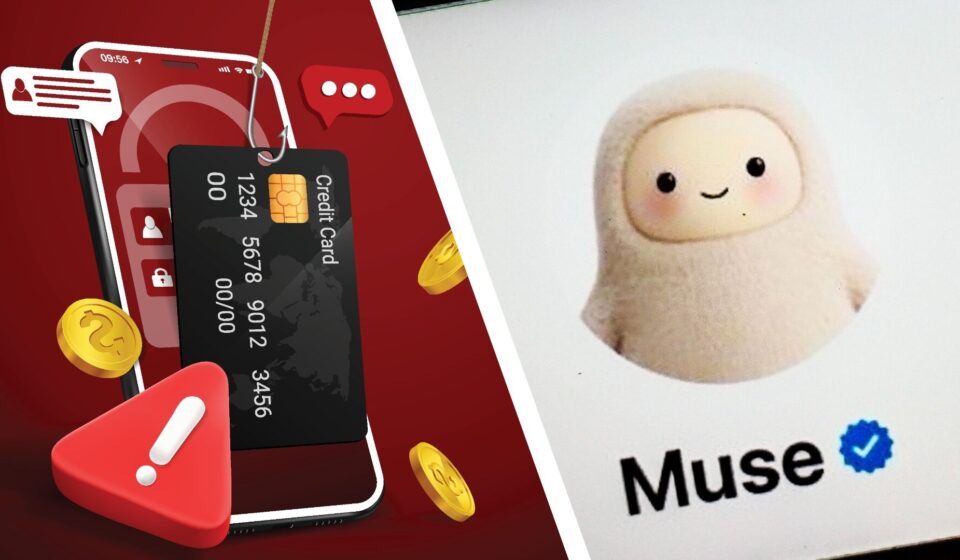
Meta Muse releases in the UK under the watchful eye of the ICO and CMA

- Meta’s Muse agentic AI assistant has released in the UK, offering to organize your entire life – but only if you give it access
- The release is being overseen by the ICO and CMA, who have worked with Meta to ensure the AI assistant is compliant with UK data privacy laws
- Muse has already faced widespread criticism over the levels of data it can access
Meta’s Muse AI assistant has been released in the UK, promising to be the ultimate digital assistant, moving beyond just answering questions and instead being able to carry out a range of tasks on your behalf including decluttering your inbox and making purchases on your behalf.
However, it hasn’t exactly been a smooth launch. Muse has faced widespread criticism by child safety experts, had numerous flaws exposed by security researchers, and reading private messages without permission.
Now, Muse is under close scrutiny by the UK’s data watchdog. The Information Commissioner’s Office has issued a warning for potential users of Muse and other agentic agents, telling consumers not to share too much of their personal information and ensuring their privacy settings are set up correctly.

Meta Muse arrives in the UK to data protection hullabaloo
If you’re looking to have your entire life organized by an AI assistant, Muse could be the AI agent for you. To do so, users can grant Muse access to apps, emails, calendars, and even digital wallets. Meta Muse is available for free users with usage limits, with expanded problem solving capabilities for premium “Power” and “Maximum” users.
But with great power comes great responsibility, and there are significant data privacy risks in handing over so much information. Muse has already been found to be the most data hungry AI assistant currently available, hoovering up almost every type of data available for it to access.
Numerous UK retailers, including Argos and Debenhams, have jumped at the opportunity to integrate Muse’s shopping capabilities into their checkouts.
This sweeping access to user data with the ability to make purchases on behalf of users is the crux of the ICO’s concerns.
“For people to benefit from these technologies with confidence, privacy must be built into consumer-facing agentic products from the outset,” ICO CEO Paul Arnold said in a statement.
“We have been clear with Meta about its responsibilities under data protection law prior to launch, particularly the requirement to ensure that users and the wider public can meaningfully understand and control how their personal data is used in the Muse product.”
For example, if you were to ask Muse to round up the details of a holiday you’ve booked, the AI assistant would filter through all your emails and bank details searching for anything to do with a holiday, significantly increasing the potential for data exposure over typical AI chatbots. The ICO says it will “scrutinise” the technology, and that Meta has agreed to a “voluntary monitoring and reporting scheme.”
The Conduct and Markets Authority also worked with Meta to ensure Muse would be compliant with UK law before it launched, with CMA chief executive Sarah Cardell stating, “The CMA has engaged with Meta over the past few weeks ahead of the launch of Muse. As a result, they have made changes to their terms and conditions to make them fairer.”
“We now need to examine carefully how Muse actually works in practice. We will be closely monitoring this and if we have concerns we will not hesitate to act to protect UK consumers.”
How to keep your data safe with AI agents
Alongside their statements on Muse’s release in the UK, the ICO and CMA issued guidance for consumers in the safe use of their data when using AI agents:
- Start with strict limits on what it can access: You don’t immediately need to provide an AI agent with complete access to all your personal information, files, and apps. Grant permissions on a use-by-use basis.
- Check the memory settings: Agentic AI agents work best when they can remember past conversations, habits, and details about your life, but this also means they retain private data. Make sure you know where this data is stored and how to access or delete it.
- Keep your wallet safe: You wouldn’t hand over your wallet to a complete stranger, no matter how much they promise not to spend your money. Treat an AI agent the same way. The few seconds of inconvenience making a payment can save you a world of trouble if your bank details are leaked or an agent makes a mistake.
- Keep your data private: Always manually review the privacy settings of your AI agent rather than granting it sweeping access to everything, and make sure you know how your data is being used and stored. If an app or service is free, you’re the product.