Skip to content
The Dragon's Web

News Portal

The Dragon's Web

News Portal

  • Home
  • Local Weather
  • Home
  • Local Weather
Close

Search

Draining peatlands is responsible for a few percent of our global warming
carbon cyclegreenhouse gas emissionsSCIENCETech Newswetlands

Draining peatlands is responsible for a few percent of our global warming

By Ars Technica
November 26, 2026 2 Min Read
Comments Off on Draining peatlands is responsible for a few percent of our global warming

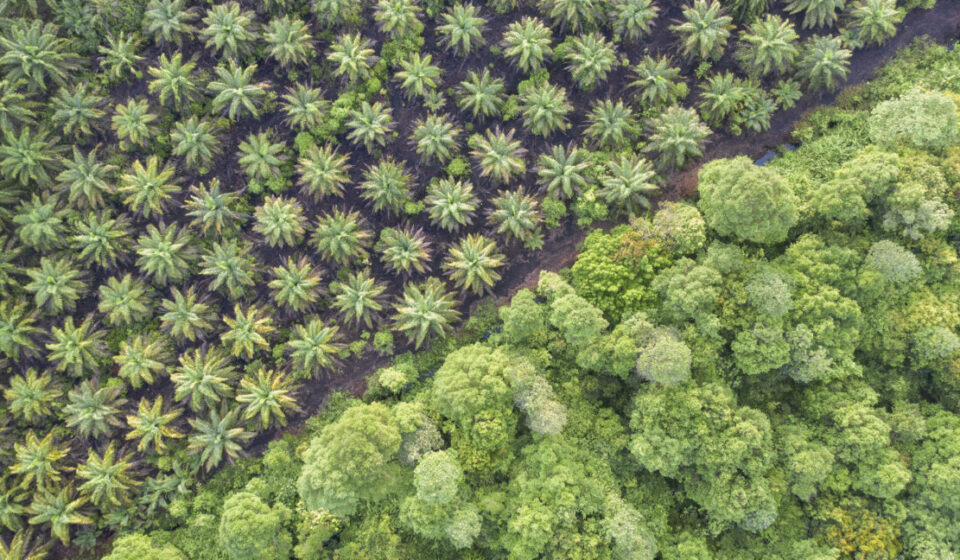
Much of the focus for human-caused climate change is on fossil fuels, which are creating most of our problems. But land use change is also a large component of the story, accounting for about one-third of total historical CO2 emissions. Deforestation plays a major role here, but practices like draining wetlands also factor in. Exactly how much of our history of eliminating wetlands has contributed to warming is challenging to figure out. But thanks to new sources of data that measure emissions from today’s surviving wetlands, it’s possible to put a better number on it.

A new study led by Jevan Yu at MIT focuses on peatlands-environments like bogs and fens where organic matter accumulates into thick layers of material. Some 600 billion tons of carbon are held in these vast stores of peat, which is more than you can find in all the world’s living vegetation, the researchers note.

Because these areas are permanently inundated, any oxygen in the water is quickly used up, leaving the job of decaying all that organic matter to anaerobic bacteria that work much more slowly and don’t digest everything. So instead of seeing organic carbon turning into the CO2 gas released by aerobic bacteria, in peatlands, a subset of it gradually turns into methane gas. Methane is an even more potent greenhouse gas than CO2 itself and ultimately gets oxidized into CO2. That means there’s a little trade-off from peatlands-most of the carbon they have is kept out of the atmosphere, but the carbon that does escape does so as methane.


Read full article

Comments

Go to story

Tags:

AAll Thatbacteriacarboncarbon cycleClimateClimate Changedataemissionsfossil fuelsglobal warminggreenhouse gas emissionsHistoricalhistorySCIENCEtodaytradewaterwetlandsWork
Author

Ars Technica

Follow Me
Other Articles
A First Drive With the Fiat Topolino in New York City
Previous

A First Drive With the Fiat Topolino in New York City

Best Gaming Mouse (2026): My Picks After Testing Dozens of Mice
Next

Best Gaming Mouse (2026): My Picks After Testing Dozens of Mice

About This Site

This is my personal site I use to test code, practice techniques, and show off my skills.

Recent Posts

  • Miss Israel denies being booed at Miss Universe
  • S-Game Phantom Edges Critique: Unlocking Main Arsenal Potential
  • U.S.-backed consortium reaches deal for Lukoil’s overseas assets
  • The Hunting Wives Season 2 Episode 6 Death Explained by Creator
  • Yellowjackets Season 4 Episode 2 Preview: Human Interest Breaks Down

Archives

  • November 2026 (812)

Find Us

Address
1460 Grand Oak Way
Oakdale, CA 95361

Copyright 2026 — The Dragon's Web. All rights reserved. Blogsy WordPress Theme

Powered by CookieAdmin
Necessary cookies enable essential site features like secure log-ins and consent preference adjustments. They do not store personal data.
None
Functional cookies support features like content sharing on social media, collecting feedback, and enabling third-party tools.
None
Analytical cookies track visitor interactions, providing insights on metrics like visitor count, bounce rate, and traffic sources.
None
Advertisement cookies deliver personalized ads based on your previous visits and analyze the effectiveness of ad campaigns.
None
Unclassified cookies are cookies that we are in the process of classifying, together with the providers of individual cookies.
None
Powered by CookieAdmin